
Moderate. Basic plant selection, removal of turf, and non-irrigated planting can be DIY. However, the installation of new irrigation systems, significant grading changes, or new electrical work should involve qualified professionals to ensure compliance with all applicable codes, obtain necessary permits, and pass required inspections.
Xeriscaping conversion involves planning, potential alteration of existing irrigation/drainage systems, and the installation of new plumbing and electrical components. Compliance with various codes (IRC, NEC, Illinois Plumbing Code) is required, necessitating careful design, potential permits, and inspections. Consideration of DuPage County's specific climate and frost depth further adds to the technical requirements, placing it beyond simple landscaping.
Project Guidelines & Rules
General Requirements & Permitting
3 Rules
Permit Application
Prior to commencing work, consult with your local municipality's building department to determine specific permit requirements for irrigation system installation, significant grading, or structural landscape elements. (Refer to IRC R105.1 for permit necessity, and R105.2 for exemptions, as adopted by local municipalities.)
Site Plan Submission
Submit a detailed site plan illustrating proposed grading, drainage, impervious surface changes, plant selections, and irrigation system layout to your local building department if permits are required.
Zoning Compliance
Ensure all proposed xeriscaping elements comply with local zoning ordinances regarding landscaping, impervious coverage, and water features.
Water Supply & Irrigation Systems
4 Rules
Backflow Prevention
Any irrigation system connected to a potable water supply must incorporate an approved and properly installed backflow prevention device (e.g., Reduced Pressure Zone assembly). This device must be tested annually by a licensed cross-connection control device inspector. (Illinois Plumbing Code 890.1140, 890.1150)
Pipe Materials & Sizing
All water service piping and irrigation supply lines shall be of approved materials (e.g., copper, PEX, CPVC, or appropriately rated PVC for non-potable irrigation laterals) and sized according to fixture unit demand and velocity limitations. (Illinois Plumbing Code 890.410, 890.420, 890.610)
Pipe Burial Depth
All potable water supply piping, including dedicated irrigation supply lines, shall be installed a minimum of 42 inches below finished grade to prevent freezing, consistent with DuPage County's established frost depth. (Illinois Plumbing Code 890.520(g))
Drainage System Design
Irrigation systems and overall site design must prevent water from accumulating near building foundations or creating runoff onto adjacent properties or public ways. (IRC R401.3, R403.1.7)
Electrical Systems (for controllers, pumps, lighting)
4 Rules
Underground Wiring Depth
All underground electrical conductors and cables, including those for irrigation controllers or landscape lighting, shall meet minimum cover requirements as specified. For low-voltage systems (600V nominal or less), specific burial depths apply based on voltage and wiring method. (NEC 300.5 and Table 300.5)
GFCI Protection
All 125-volt, single-phase, 15- and 20-ampere receptacles installed in outdoor locations, including those serving irrigation controllers or landscape lighting, shall have ground-fault circuit-interrupter (GFCI) protection for personnel. (NEC 210.8(A)(3))
Outdoor Wiring & Enclosures
All electrical wiring, devices, and enclosures installed outdoors or in wet locations shall be listed and rated for such applications. (NEC Article 300, 411, and general requirements for wet locations)
Low-Voltage Lighting
Low-voltage landscape lighting systems (not exceeding 30 volts) must comply with specific installation methods to prevent fire and shock hazards. (NEC Article 411)
Site Grading & Drainage
2 Rules
Positive Drainage
Finished grade around the building foundation shall slope away from the foundation a minimum of 6 inches in the first 10 feet. (IRC R401.3, R403.1.7)
Stormwater Management
Any significant changes in grading or impervious surfaces must comply with DuPage County Stormwater Management Ordinance requirements. Consult with DuPage County Stormwater Management for specific thresholds and requirements.
Structural Elements (Minor)
1 Rules
Retaining Walls
Retaining walls that are more than 4 feet in height measured from the bottom of the footing to the top of the wall, or that support a surcharge, or impound Class I, II, or III-A liquids, shall be designed by a registered design professional. Consult your local municipality for specific permit thresholds, which may be lower. (IRC R404.1)
Top Rated Landscaping Pros in Lake County

Turf Care Enterprises, Inc.
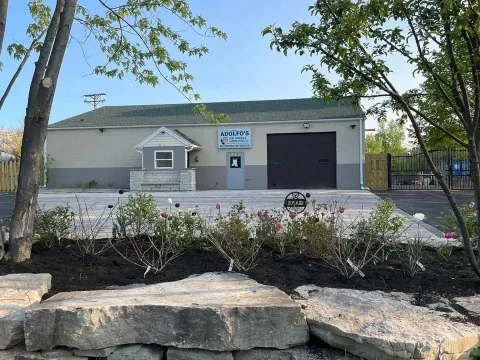
Adolfo's Sealcoating and Landscaping